
How We Actually Teach This Stuff
Self-doubt isn't something you fix with a single technique. The way someone learns to push past it matters just as much as what they learn. We've spent time figuring out what actually works when helping people recognize and challenge the thoughts that hold them back.
Our approach combines structured content delivery with real-time practice. You won't just watch presentations. You'll work through scenarios, engage with exercises during live sessions, and get feedback from both instructors and other participants dealing with similar challenges.

Three Core Techniques We Use
These aren't abstract theories. Each method gets applied multiple times during a typical webinar, giving you repeated exposure and practice with the same concepts from different angles.
Thought Pattern Recognition
We teach you to spot self-doubt as it happens. Through guided exercises, you learn to identify the specific mental scripts running in your head, then examine whether they're based on evidence or assumption. This takes repetition, so we revisit it in different contexts throughout each session.
Peer-Based Challenge
Small group breakouts where participants share a doubt they're dealing with, then help each other find holes in the logic. It's easier to see flawed thinking in someone else's situation first. This builds your ability to apply the same scrutiny to your own thoughts later.
Evidence Mapping
You'll create visual maps during sessions that track actual outcomes versus feared outcomes. This method grounds abstract worries in concrete data. Most participants realize their predictions about failure or judgment rarely match what actually happens when they review these maps.
Session Structure Breakdown
Opening Phase (20 minutes)
We start with context setting. The instructor presents a framework for understanding how self-doubt operates, using recent examples from prior participants. You're not just listening – there's a quick individual exercise where you identify which patterns show up most in your own thinking.
- Framework introduction with psychological basis explained clearly
- Quick self-assessment to personalize the upcoming content
- Q&A to address initial confusion before moving forward
- Preview of what you'll practice during the active segments
Active Practice (45 minutes)
This is where the actual work happens. You'll rotate through exercises designed to interrupt automatic doubt responses. Some are individual reflection, some involve breakout discussions, and some require you to test new responses in low-stakes scenarios during the session itself.
- Guided thought experiments with real-time instructor feedback
- Breakout rooms for peer challenge exercises (4-5 people)
- Evidence mapping activity with provided templates
- Practice responding to common doubt triggers
- Share results with larger group for varied perspectives
Integration Work (25 minutes)
The final section focuses on taking what you practiced and planning how to use it outside the session. You'll create a specific action plan based on your most common doubt patterns, with concrete steps for the next week. We review common obstacles to implementation based on what previous participants struggled with.
- Individual action planning with structured template
- Identification of personal implementation obstacles
- Strategy selection based on your specific context
- Group discussion of realistic expectations and timeline
- Resource sharing for continued practice between sessions
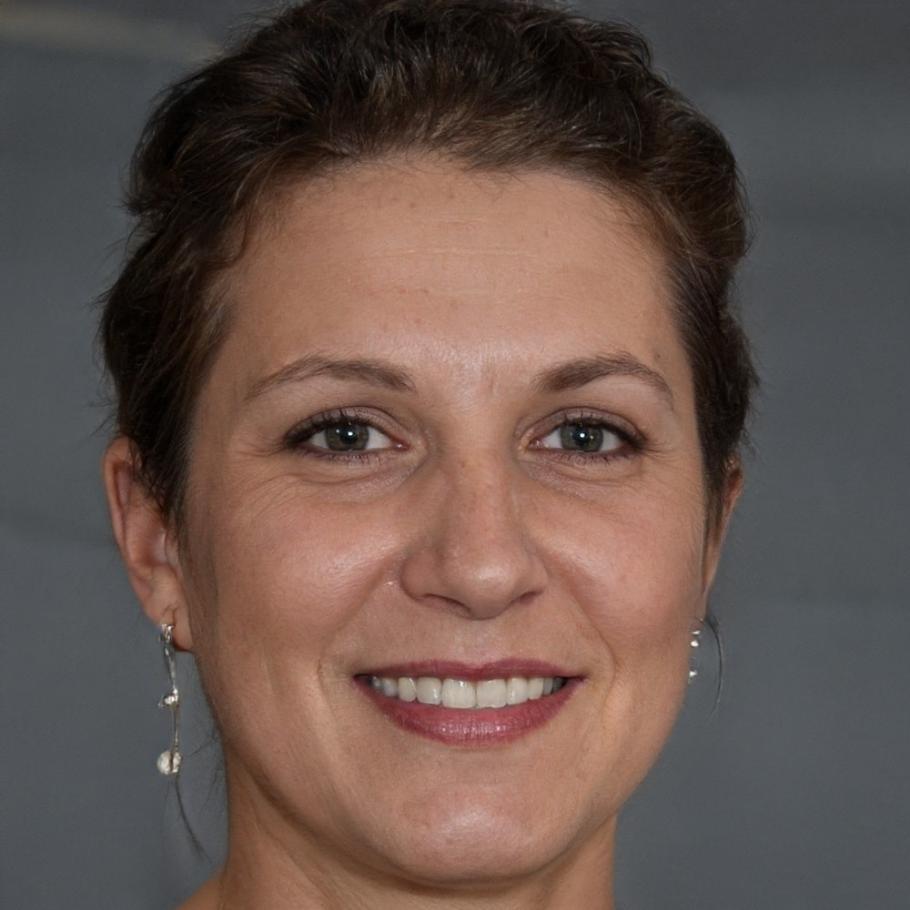
Liezel van der Merwe
Lead Instructor
Why This Format Works Better Than Recordings
I spent three years teaching this content through pre-recorded videos before switching to live webinars. The difference in results was significant enough that we stopped offering the recorded format entirely.
The issue with recordings is that self-doubt is situational. When someone watches a video, they're often in a calm state where doubts aren't active. During live sessions, doubt comes up while we're working – either during exercises or when someone has to speak in a breakout room. That's when the teaching actually lands, because you're applying it to genuine discomfort in real time.
The second advantage is correction. I can see when someone misunderstands a technique and is applying it in a way that won't help. In a recording, that never gets caught. During live sessions, I adjust explanations based on what I'm seeing in the chat, in breakout feedback, and in the questions people ask.
What Makes Live Sessions Different
- Immediate feedback when you're practicing techniques incorrectly
- Exposure to how others experience the same doubts differently
- Real-time adjustment of pace based on group comprehension
- Accountability from knowing others are working through exercises simultaneously
- Opportunity to ask clarifying questions before confusion compounds
Interested in How We Run Sessions?
The best way to understand our teaching approach is to join an upcoming webinar. You'll see exactly how the format works and whether the methods fit what you're looking for. Sessions are currently open for enrollment.